
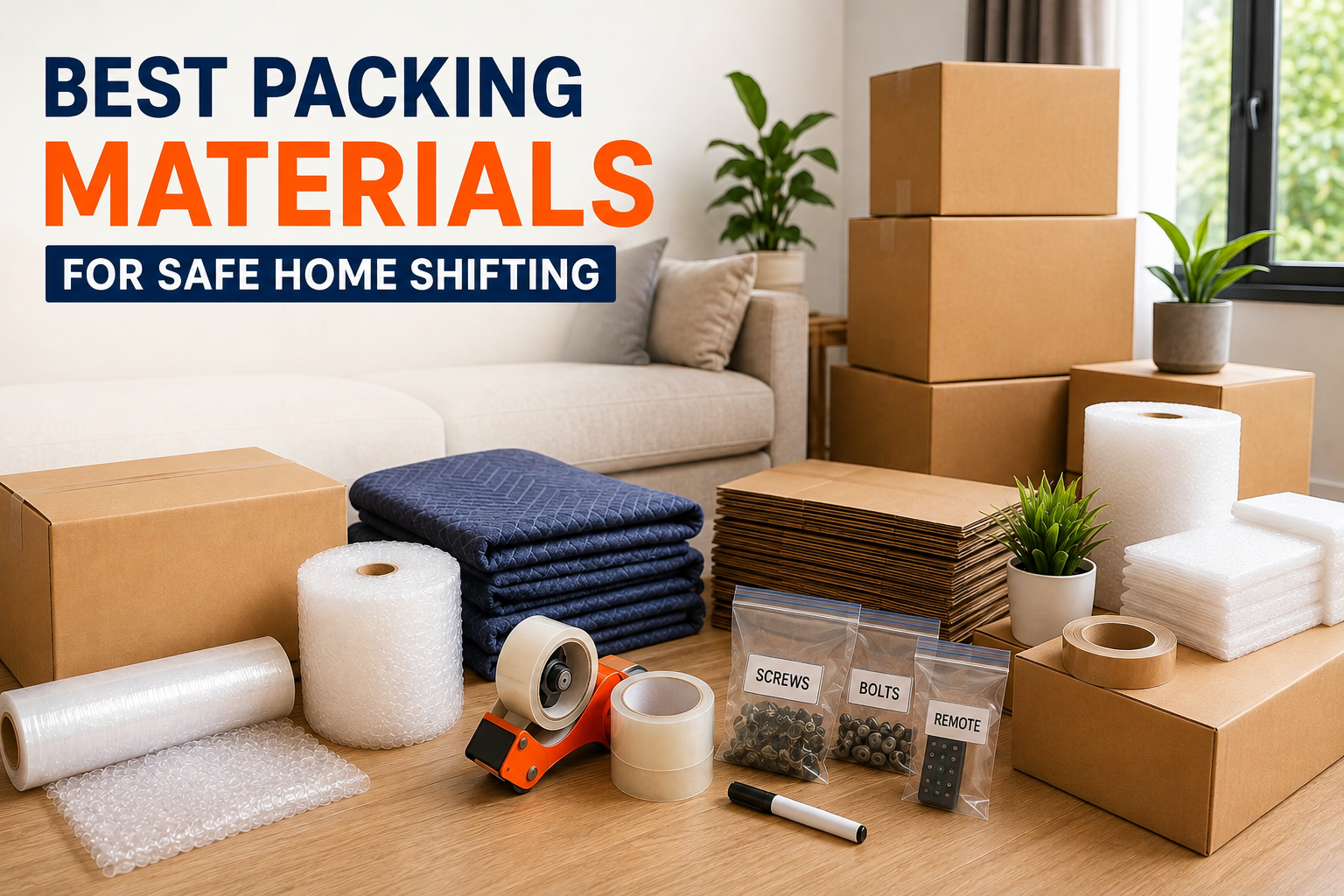
Moving to a new home is exciting, but protecting your belongings during the move is just as important. Even a short-distance move can result in damaged items if the wrong packing materials are used. Choosing high-quality packing supplies helps keep your furniture, electronics, kitchenware, and valuables safe throughout the journey.
In this guide, we’ll explore the best packing materials for safe home shifting and explain where each one should be used.
Why Choosing the Right Packing Material Matters
Many people think any cardboard box is enough for packing. However, different household items require different levels of protection.
Using the proper packing materials helps you:
- Prevent scratches and breakage
- Protect fragile and expensive items
- Keep furniture free from dust and moisture
- Make unpacking easier
- Reduce the chances of damage during transportation
A small investment in quality packing materials can save you from expensive replacements later.
1. Corrugated Cardboard Boxes
Cardboard boxes are the foundation of every home move.
They are available in different sizes and strengths, making them suitable for almost every household item.
Best For
- Clothes
- Books
- Kitchen utensils
- Toys
- Home décor
- Small appliances
Tips
- Use small boxes for heavy items.
- Use large boxes for lightweight items.
- Never overfill a box.
2. Bubble Wrap
Bubble wrap is one of the most popular protective packing materials.
Its air-filled bubbles absorb shocks during transportation and prevent fragile items from breaking.
Best For
- Glassware
- Mirrors
- Crockery
- Electronics
- Decorative items
- Picture frames
Pro Tip
Wrap delicate items individually before placing them inside a box.
3. Packing Paper
Packing paper is soft, lightweight, and ideal for wrapping delicate items without scratching them.
Unlike newspapers, it leaves no ink stains.
Best For
- Plates
- Bowls
- Glasses
- Ceramic items
- Kitchenware
Bonus Tip
Use crumpled packing paper to fill empty spaces inside boxes.
4. Moving Blankets
Moving blankets provide thick cushioning for large household items.
Professional movers often use them to prevent dents, scratches, and surface damage.
Best For
- Sofas
- Dining tables
- Beds
- Washing machines
- Refrigerators
- Wooden furniture
5. Stretch Wrap
Stretch wrap is a clear plastic film that keeps furniture secure and protects it from dust and moisture.
Best For
- Furniture
- Drawers
- Mattress protection
- Bundling loose items
- Holding moving blankets in place
It also prevents cabinet doors and drawers from opening during transit.
6. Foam Sheets
Foam sheets provide a soft protective layer between delicate surfaces.
They are thinner than bubble wrap but excellent for preventing scratches.
Best For
- TV screens
- Mirrors
- Glass tabletops
- Wooden furniture
- Decorative pieces
7. Packing Tape
Strong packing tape keeps boxes securely sealed throughout the move.
Choose heavy-duty packing tape instead of ordinary office tape.
Tips
- Seal both the top and bottom of every box.
- Reinforce heavy boxes with extra tape.
- Keep a tape dispenser handy for faster packing.
8. Corner Protectors
Corner protectors safeguard the edges of furniture and glass items.
They absorb impact during loading and unloading.
Best For
- Tables
- Glass tops
- Mirrors
- Cabinets
- Photo frames
9. Ziplock Bags
Small accessories often get lost during moving.
Store screws, bolts, remote controls, and small hardware in labeled ziplock bags.
Best For
- Furniture screws
- TV accessories
- Curtain hooks
- Chargers
- Keys
Tape the labeled bag to the related furniture item.
10. Labels and Permanent Markers
Good labeling saves hours during unpacking.
Clearly mark every box with:
- Room name
- Contents
- Fragile (if applicable)
- Top side indicator
Example:
Kitchen – Glass Items – Fragile
Essential Packing Materials Checklist
| Packing Material | Best Used For |
|---|---|
| Cardboard Boxes | General household items |
| Bubble Wrap | Fragile items |
| Packing Paper | Kitchenware and glassware |
| Moving Blankets | Furniture protection |
| Stretch Wrap | Furniture and mattresses |
| Foam Sheets | Scratch protection |
| Packing Tape | Sealing boxes |
| Corner Protectors | Furniture edges |
| Ziplock Bags | Small accessories |
| Labels & Marker | Easy organization |
Common Packing Mistakes to Avoid
- Using weak or damaged boxes
- Overloading heavy boxes
- Leaving empty spaces inside boxes
- Forgetting to label boxes
- Packing liquids without sealing them
- Wrapping fragile items together
- Using newspaper directly on delicate surfaces
Avoiding these mistakes can significantly reduce the risk of damage.
Expert Packing Tips
- Pack one room at a time.
- Keep valuables and important documents with you.
- Place heavier items at the bottom of boxes.
- Use cushioning materials to fill empty gaps.
- Label every box before sealing it.
- Prepare an essentials box for the first day in your new home.
Final Thoughts
Safe home shifting begins with choosing the right packing materials. From sturdy cardboard boxes and bubble wrap to moving blankets and stretch wrap, every material serves a specific purpose in protecting your belongings. Investing in quality packing supplies not only reduces the risk of damage but also makes unpacking faster and more organized.
Whether you’re moving across the city or relocating to a new state, using the right packing materials will help ensure a smooth, stress-free, and secure moving experience.
